
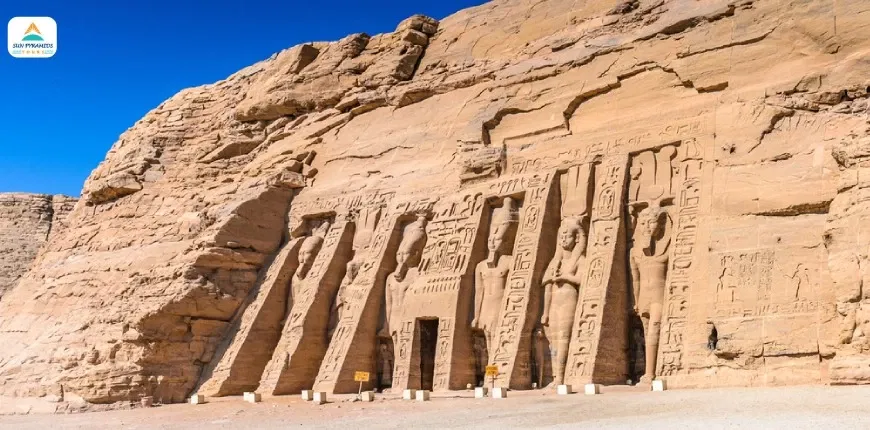

The magnificent Abu Simbel Temples are among Egypt’s most breathtaking ancient monuments, located on the shores of Lake Nasser in southern Egypt. Built during the reign of Pharaoh Ramses II in the 13th century BC, these temples were designed to showcase the power and glory of ancient Egypt.
The site consists of two rock-cut temples: the Great Temple of Ramses II, famous for its four colossal statues guarding the entrance, and the smaller temple dedicated to Queen Nefertari and the goddess Hathor—one of the rare temples devoted to a queen.
In a remarkable modern achievement, the entire complex was relocated in the 1960s to save it from flooding caused by the construction of the Aswan High Dam. Today, Abu Simbel stands as a UNESCO World Heritage Site and a symbol of both ancient and modern engineering brilliance.
A visit to Abu Simbel offers a unique journey into Egypt’s rich history, combining awe-inspiring architecture, fascinating stories, and stunning desert landscapes.
0 Comment